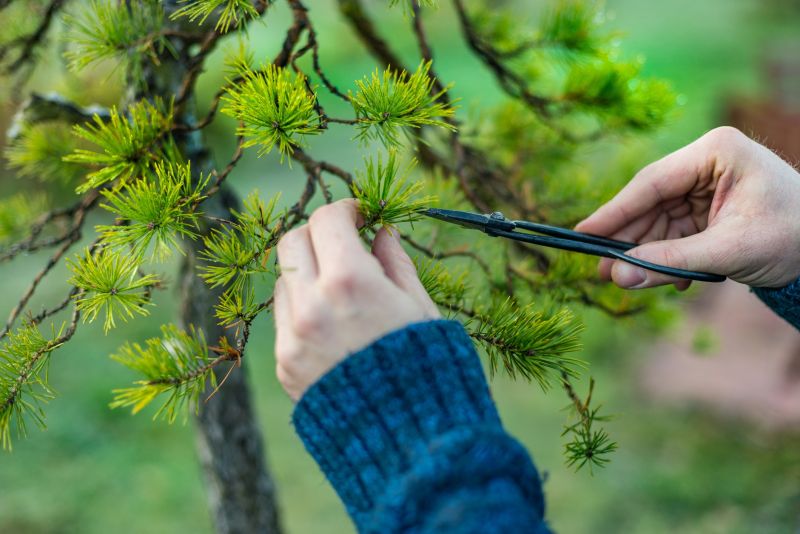
Japanese Maple Pruning in Allentown, PA
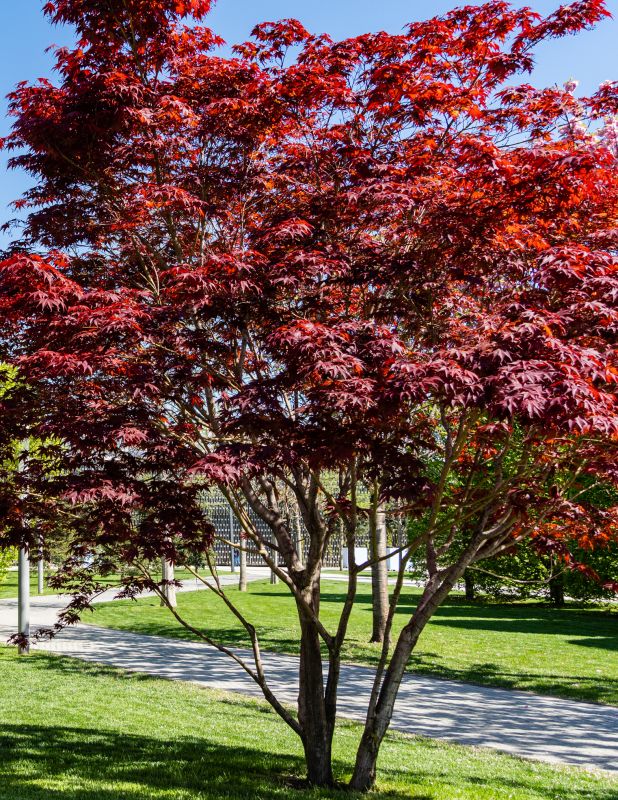
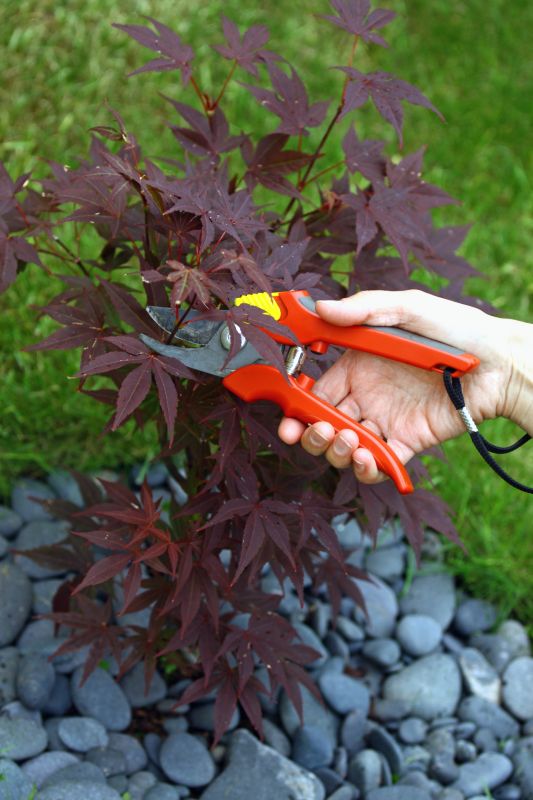
Japanese Maple Pruning services involve carefully trimming and shaping Japanese maples to promote healthy growth and enhance their aesthetic appeal. This service covers a variety of projects, including removing dead or damaged branches, controlling size and shape, and encouraging vibrant foliage. Homeowners typically seek pruning to maintain the tree’s structure, prevent potential hazards from overgrowth, or improve its overall appearance within their landscape.
Property owners should consider factors such as the age and health of the tree, as well as the desired outcome when requesting Japanese Maple Pruning. Understanding the best time for pruning-usually during late winter or early spring-can help ensure optimal results. Additionally, knowing how much to prune and the specific techniques suited for Japanese maples can help prevent damage and support the tree’s long-term health.
Many property owners in Allentown, PA look into Japanese Maple Pruning for repairs, replacements, upgrades, and appearance-related improvements.
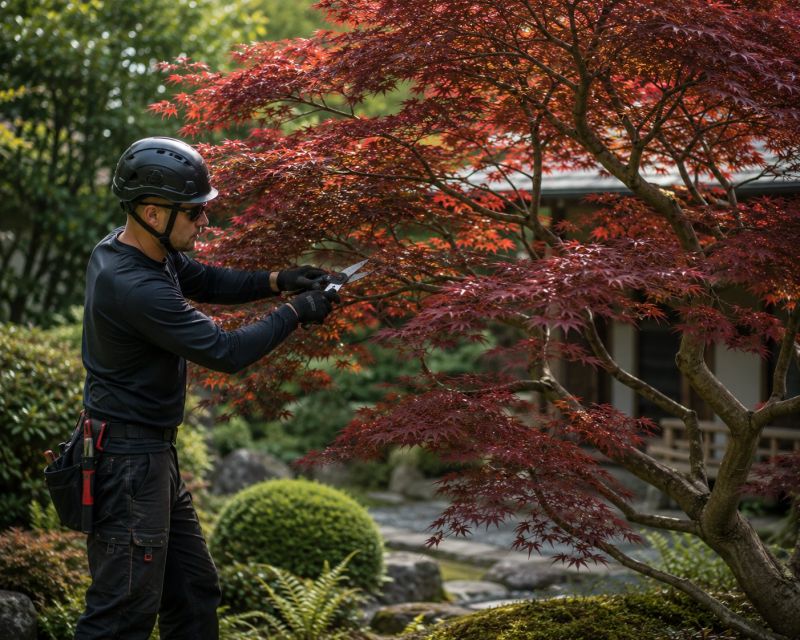
Enhancing Tree Health And Structure
Proper pruning promotes the vitality and stability of japanese maples in residential landscapes.
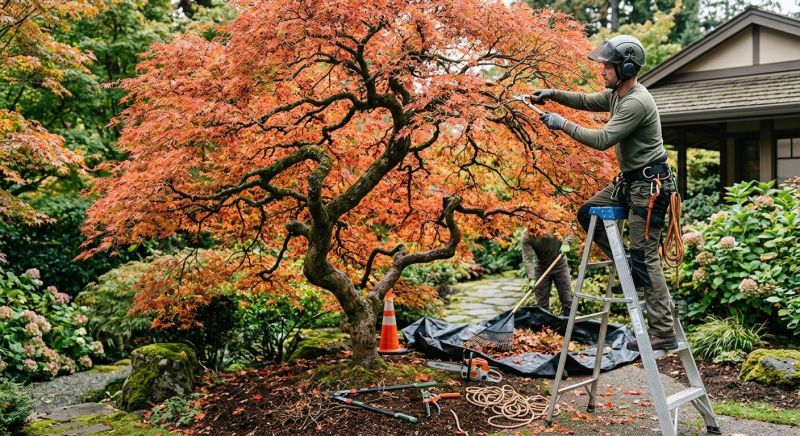
Aesthetic And Shape Maintenance
Selective trimming helps maintain the natural beauty and desired form of japanese maples.
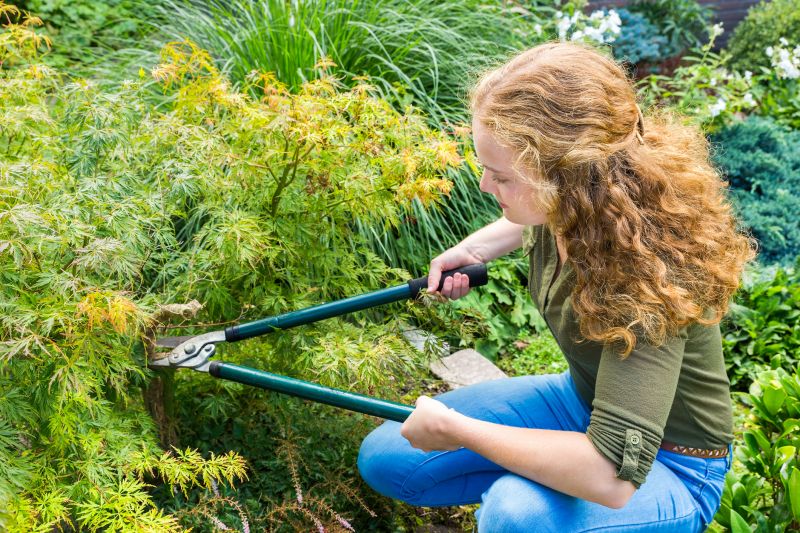
Safety And Property Preservation
Pruning reduces the risk of falling branches and protects nearby structures and visitors.
Japanese Maple Pruning in Allentown, PA

Japanese Maple Pruning services involve carefully trimming and shaping Japanese maples to promote healthy growth and enhance their aesthetic appeal. This service covers a variety of projects, including removing dead or damaged branches, controlling size and shape, and encouraging vibrant foliage. Homeowners typically seek pruning to maintain the tree’s structure, prevent potential hazards from overgrowth, or improve its overall appearance within their landscape.
Property owners should consider factors such as the age and health of the tree, as well as the desired outcome when requesting Japanese Maple Pruning. Understanding the best time for pruning-usually during late winter or early spring-can help ensure optimal results. Additionally, knowing how much to prune and the specific techniques suited for Japanese maples can help prevent damage and support the tree’s long-term health.
Many property owners in Allentown, PA look into Japanese Maple Pruning for repairs, replacements, upgrades, and appearance-related improvements.
Common Japanese Maple Pruning Jobs
Japanese Maple Pruning Services - Proper pruning enhances the tree’s shape and overall health.
Structural Pruning - Removing dead or crossing branches to improve stability and growth.
Selective Thinning - Reducing dense foliage for better air circulation and light penetration.
Crown Shaping - Creating an attractive silhouette that complements the landscape.
Maintenance Pruning - Regular trimming to prevent disease and promote vigorous growth.
Storm Damage Repair - Addressing broken or damaged branches after severe weather events.
Japanese Maple Pruning Questions
Why is pruning a Japanese Maple important? Proper pruning helps maintain the tree's shape, promotes healthy growth, and prevents overgrowth that can lead to damage or disease.
When is the best time to prune a Japanese Maple? The ideal time is late winter to early spring before new growth begins, ensuring minimal stress on the tree.
What techniques are used in Japanese Maple pruning? Techniques include thinning, heading back, and removing dead or damaged branches to improve structure and airflow.
Can pruning help prevent disease in Japanese Maples? Yes, removing dead or diseased branches reduces the risk of infections and encourages overall tree health.
Request Japanese Maple Pruning in Allentown, PA
Use the quote form on this page to share the basics of your project and request more information for the type of work you need.